>

Organizational Development for Social Innovation (M.Ed.)

At the heart of the M.Ed. in Organizational Development for Social Innovation is a desire to educate and prepare students to be agents of human-centered, mission-driven change at the organizational level.

campus

Master's Degree in Organizational Development for Social Innovation at a Glance

  • STEM-designated M.Ed. that prepares students to drive lasting change in mission-driven organizations
  • Customizable curriculum with flexible completion timelines and elective options
  • Hands-on, practical experiences that build real-world impact
  • Expert faculty who are leaders in human and organizational development

What is Organizational Development for Social Innovation at Peabody College?

Social innovation is incomplete without investing in the development and leadership of people, as well as the organizations and systems that support them. The integrated structure of the Organizational Development for Social Innovation M.Ed. allows you to learn about social change and organizational development in several ways:

  • By exploring how to create sustainable positive change through innovative processes, products, services and programs
  • By developing an understanding of organizational structures and dynamics that drive social innovation and change
  • By gaining practical knowledge and leadership skills in human-centered design, organizational development and impact evaluation
  • By understanding the dynamic relationship between environments, people and organizations to lead mission-driven organizational transformation

Organizational Development for Social Innovation Program Highlights

  • 30 credit hour program
  • Flexible timelines, allowing completion in one to two years
  • Optional Practical Training (OPT) eligibility of up to two years for international students
  • Customizable electives to align with educational and career goals
  • Built-in practical experiences that prepare graduates to lead in their chosen fields
  • Faculty-led research in various areas of human and organizational development

Organizational Development for Social Innovation Master's Program Facts

Program Director: Ashmeet Oberoi
Admissions Coordinator: Tonya Brown
Admission Term: *Summer/ Fall
Credit Hours: 30

*This program begins in June during Peabody's summer term, or in August at the start of fall term

Key Application Dates

  • Priority Decision 1

    January 3*

  • Priority Decision 2

    February 3

  • Rolling Decision

    After February 3

*For more information on application dates and requirements, and the benefits of Priority Decision, see the How to Apply page.

Request Information about the Organizational Development for Social Innovation M.Ed.

Explore how an education in organizational leadership can lead to purposeful career.

Organizational Development for Social Innovation Program Curriculum

Through hands-on training in human-centered design, impact evaluation and organizational change, graduates gain the professional skills needed to analyze social problems, develop innovative solutions and measure their results.

The customizable curriculum includes:

  • Two foundational courses
  • One theory course
  • Two methods courses
  • 15 additional elective credits

Coursework

  • Core and Elective Classes

    Core Courses (15 credit hours)

    • HOD 6100: Master’s Proseminar: Becoming a Change Agent
    • HDS 6130: Lifespan Development
    • HOD 6200: Program Evaluation
    • HDS 7810: Research in Human Development
    • HOD 7500: Special Topics - Building a Design Driven Culture

    Elective Courses (15 credit hours)

    • HOD 6420 Non-Profit Management and Strategy
    • HOD 7500: Special Topics - Advanced Organizational Theory
    • HOD-7160: Applied Data Analysis / Visualizing Social Impact
    • HOD 7500: Special Topics - Alternative Forms of Work and Organizations
    • HOD-7500: Special Topics: Positive Youth Development
    • LOP-6260: Executive Coaching

    With permission of the ODSI program director, 6 of the 15 elective hours may be taken outside of the Human Development and Organization department. All elective courses must be 5000-level courses or above and must have strong connections to the ODSI program.

Careers in Organizational Development for Social Innovation

There are several avenues for graduates to shape the future of organizations and lead transformative change in the public, nonprofit and social enterprise sectors. 

Career pathways with an M.Ed. in Organizational Development for Social Innovation include:

  • Organizational development specialist
  • Social innovation strategist
  • Mission-driven startup founder
  • Director of learning and culture
  • Impact measurement analyst
  • Change management consultant
  • Strategy and innovation lead
  • Foundation strategy and grants manager

Master’s in Organizational Development for Social Innovation Program FAQs

  • What is the master’s in Organizational Development for Social Innovation?

    The ODSI M.Ed. is a STEM-designated master’s program that creates visionary changemakers who harness organizational leadership and entrepreneurial thinking to drive meaningful change.

  • How does the ODSI program compare to a master’s in human development or other organizational development master’s programs?

    ODSI offers a unique interdisciplinary approach that blends human and organizational development with social innovation and human-centered design. It emphasizes practical experience and real-world impact.

  • What is social innovation and how is it taught in this program?

    Social innovation involves creating solutions that address complex social challenges. In the ODSI program, students learn to design, implement and evaluate innovative programs and services that generate lasting societal impact.

  • What is human-centered design and how does it relate to organizational development?

    Human-centered design is an approach to problem-solving that prioritizes people's needs and experiences. ODSI students apply these principles to organizational development, designing solutions that are fair, effective and sustainable.

  • What is organizational change and how does this program prepare students to lead it?

    Organizational change refers to processes that improve effectiveness, culture or operations within organizations. The ODSI program equips students with leadership, systems thinking and entrepreneurial skills to lead change initiatives in public, nonprofit and social enterprise sectors.

  • What is impact evaluation and how is it applied in the ODSI program?

    Impact evaluation is the assessment of a program’s outcomes to determine effectiveness and social impact. Students learn to design and conduct evaluations of organizational initiatives, enabling data-driven decision-making and sustainable change.

  • Are there opportunities for organizational development certification or practical organizational development training through the program?

    Yes. Practical experience is built into the ODSI M.Ed. program, ensuring students receive hands-on organizational development training that prepares them to lead in their chosen fields.

  • What careers in organizational development and social innovation can graduates pursue with the ODSI M.Ed.?

    Graduates shape the future of organizations and lead transformative change in the public, nonprofit and social enterprise sectors. Potential careers include organizational development specialist, change management consultant, director of learning and culture, social innovation strategist, impact measurement analyst and more.

  • How long does it take to complete the ODSI M.Ed. program?

    The program requires 30 credit hours and can be completed in 1 to 2 years, depending on the course load and elective choices.

  • What makes the ODSI program one of the best organizational development master’s programs?

    ODSI stands out for its STEM designation, interdisciplinary curriculum, faculty expertise, built-in practical experiences, flexible timelines and focus on human-centered, mission-driven impact. Graduates emerge as transformative leaders in the realm of social impact.

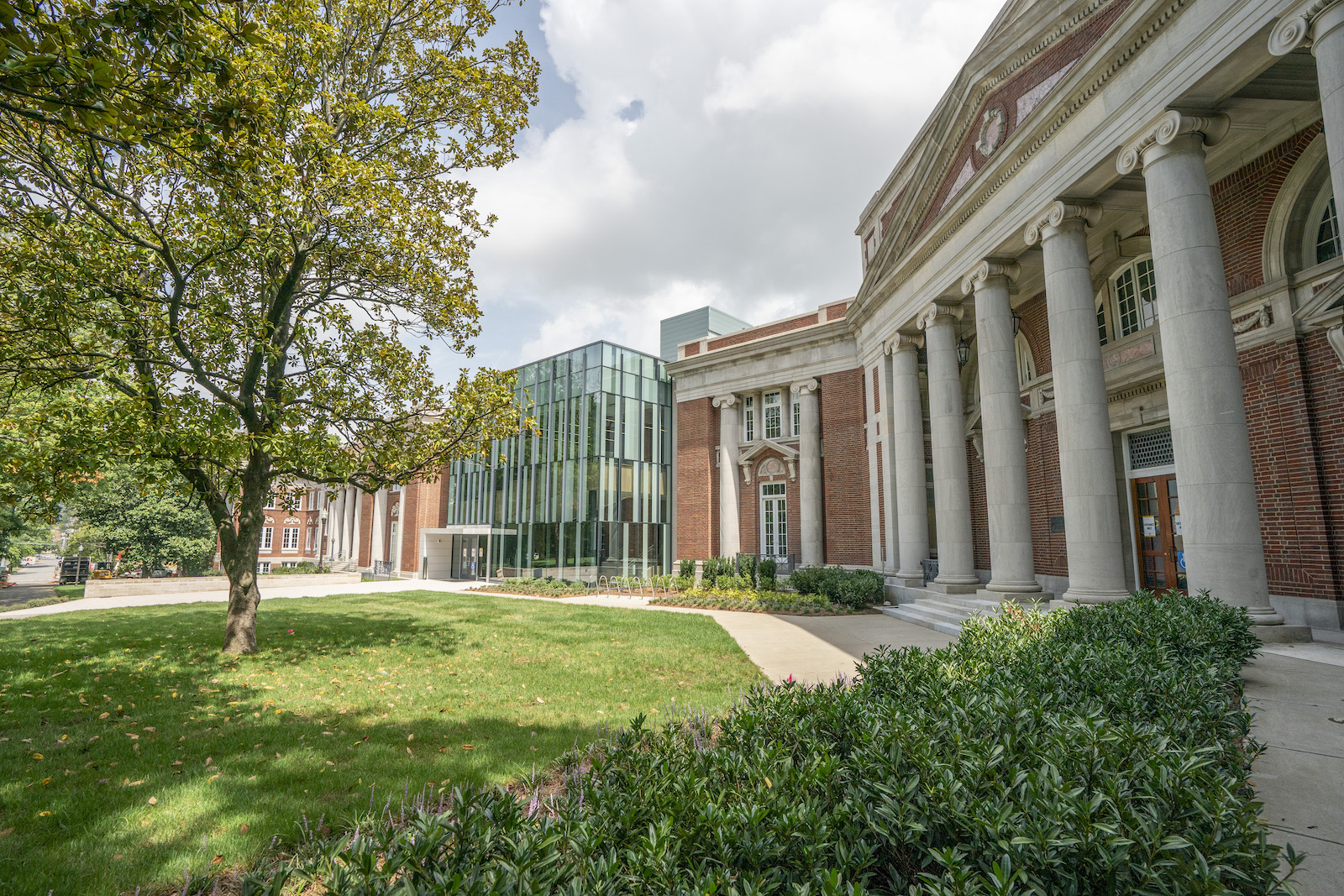
Peabody Campus

Selected Organizational Development for Social Innovation Faculty Research

Ashmeet Oberoi, Associate Professor of the Practice, Department of Human and Organizational Development

Ashmeet Oberoi, Associate Professor of the Practice, Department of Human and Organizational Development

Dr. Oberoi’s research bridges human development and systems change, with a focus on the thriving and empowerment of urban adolescents and young adults who have experienced marginalization and adversity, including immigrants, refugees, and racial/ethnic minorities. Her work centers on the design, implementation, and evaluation of prevention-focused, equity-driven interventions and the transformation of systems that serve youth.

Funding and Scholarships

Peabody College offers multiple ways to meet the cost of your education, including merit aid and student employment opportunities. All on-campus professional applicants are automatically considered for merit aid as part of the admission process.


Faculty

    No matches